15 Common Questions on Property and Casualty Insurance
Property and Casualty Insurance:
15 Common Questions by Business Owners
What exactly is “property & casualty” business insurance?
Sometimes referred to as a Business Owner’s Policy (BOP), commercial property & casualty insurance is a general term for several different policies designed to protect a business from financial loss and liability.

Each property & casualty policy is specifically tailored to the specific business that it covers.
Every industry and market has specific risks and liabilities. Additionally, the size of the business, number of employees, number of states it operates in, and location (such as areas prone to flooding or natural disasters) all impact the type of coverage needed.
What policies are most often used for commercial businesses?
Commercial business insurance covers dozens of risks and liabilities under many different policies.

Common liability policies include product liability insurance, malpractice insurance, workers compensation, errors and omissions (E&O), and general liability insurance.
Commercial property insurance may include commercial building and vehicle insurance, loss of income insurance, accounts receivable insurance, and equipment breakdown insurance.
Some policies offer specific loss or theft coverage, such as cyber-crime insurance and records retention coverage.
Insurers also provide industry-specific property and casualty packages for businesses such as restaurants, hair salons, dry cleaners, transportation and delivery services, and construction companies.
What is general liability insurance?
Liability insurance protects your business from legal claims. This includes “slip and fall” lawsuits and consumer claims related to injuries or damage caused by faulty products or services (product liability).
Liability insurance also protects against lawsuits arising from professional services you provide, such as medical malpractice for doctors and healthcare workers.
Overall, this type of insurance protects you and your employees from lawsuits due to errors, negligence, or failed services in industries such as plumbing, contracting, medicine, or cosmetics.
What is commercial property insurance?
Property insurance covers your business property and assets—including buildings, storefronts, and storage—in the event of an unexpected loss.
What is Commercial Property Insurance?
It also includes equipment, machinery, supplies, and inventory.
This type of insurance covers anything tangible and essential to your business that may be lost in events such as fires or natural disasters.
What is workers’ compensation coverage?
Workers’ compensation covers medical expenses and partial lost wages for employees who are injured or become ill due to their work. Coverage may also include physical therapy, mental health services, and death benefits.

An employee only qualifies if the injury is work-related. Workers’ comp insurance typically covers injuries from physical labor, wet floors, or hazardous chemicals.
Most states follow a no-fault system, meaning it doesn’t matter who caused the injury—what matters is that it happened during work duties.
If an employee is injured outside of their work responsibilities (e.g., riding a motorcycle off the clock), workers’ comp won’t apply.
What is business interruption coverage?
Business income coverage helps pay bills and expenses if your business is forced to close temporarily due to a catastrophic event, such as a fire.

This insurance can reimburse lost net income and cover recurring expenses like rent and payroll.
It may also cover rebuilding and relocation costs and may even apply if a government action or economic event disrupts your operations—depending on the policy terms.
What is crime insurance?
Crime insurance protects your business from damages caused by criminal acts such as theft, robbery, or vandalism.

It also covers employee crimes like embezzlement, forgery, or property damage.
Cyber-crimes are often included, such as data breaches that expose sensitive client or customer information.
With rising concerns over cyber security, this coverage is becoming increasingly important for many businesses.
What is an umbrella property & liability policy?
An umbrella policy provides additional coverage beyond your base liability limits in the event of a catastrophic loss.
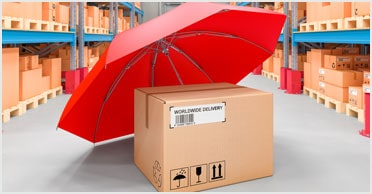
For example, if an earthquake destroys your building and equipment, the damages might exceed your standard coverage limits. An umbrella policy covers the remaining losses.
This coverage also helps with liability lawsuits. If a court awards $2 million in damages but your liability insurance only covers $1 million, the umbrella policy pays the additional $1 million.
For many businesses, an umbrella insurance policy is a wise investment for peace of mind in worst-case scenarios.